When it comes to thyroid health, iodine is a major player. This trace mineral is an essential building block of the thyroid hormones triiodothyronine (T3) and thyroxine (T4), which help regulate everything from your metabolism to your cardiovascular system. And while your thyroid may be small, the consequences of getting too little—or even too much—iodine can be surprisingly big.
Iodine: Essential but Often Overlooked
Iodine deficiency is actually the most common cause of preventable brain damage worldwide. It’s not just about fatigue or weight gain—long-term iodine deficiency can cause hypothyroidism, developmental delays, goiter (enlarged thyroid), and even cognitive impairment. According to the World Health Organization (WHO), over 2 billion people globally—about 30% of the population—aren’t getting enough iodine. That includes nearly 241 million school-aged children.
Where does seaweed come into play?
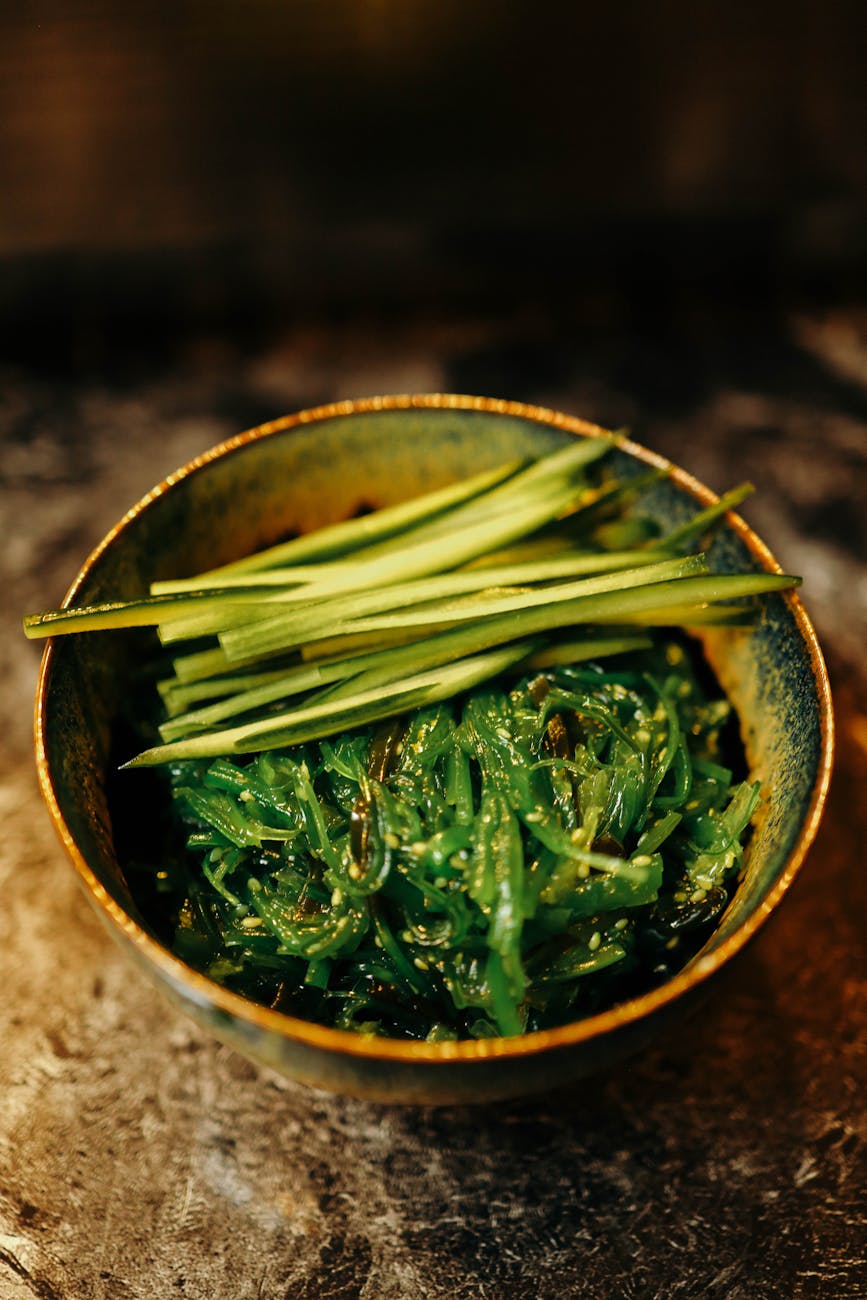
Seaweed is one of the richest natural sources of iodine. For thousands of years, cultures with coastal diets (think: Japan, Korea) have relied on sea vegetables like kelp, nori, dulse, and wakame to meet their iodine needs. Just a few grams of certain seaweeds can supply well over the recommended daily intake of iodine.
Too much of a Good thing?
While iodine deficiency can lead to thyroid dysfunction, excessive iodine intake can cause issues too—sometimes even mimicking hypothyroid symptoms. It’s a fine balance. In some cases, high iodine consumption may trigger autoimmune thyroid diseases like Hashimoto’s or Graves’, or push a stressed thyroid into a kind of “crash and burn” cycle.
So yes, seaweed is great—but sourcing and serving size matter. Not all seaweeds are created equal in iodine content. For example, kelp (kombu) can contain thousands of micrograms per gram, while nori has much less. That’s why it’s wise to rotate types and avoid overconsumption, especially if you’re supplementing iodine elsewhere.
Tips for Smart Seaweed Eating
Choose reputable sources. Seaweed can absorb heavy metals and pollutants from its environment. Look for organic or wild-harvested options from clean waters.
Mind the type. Kombu and kelp = high iodine. Nori and dulse = moderate to low iodine.
Don’t overdo it. One or two servings a week is plenty for most people.
If you have thyroid issues, talk to your healthcare provider before dramatically increasing iodine intake.
Medical Disclaimer:
The information provided in this blog post is for general informational purposes only and is not intended as a substitute for professional medical advice, diagnosis, or treatment. Always seek the advice of your physician or other qualified health provider with any questions you may have regarding a medical condition. Never disregard professional medical advice or delay in seeking it because of something you have read on this website. Reliance on any information provided in this post is solely at your own risk.
Yes, we (kind of) eat seaweed for thyroid health—but not blindly. Iodine is crucial for normal thyroid function, but more isn’t always better. Like most things in nutrition, it’s about balance, quality, and listening to your body.
Sourcing of sea vegetables matters! Check out my list here:
 Nourish With Stacie
Leave a comment