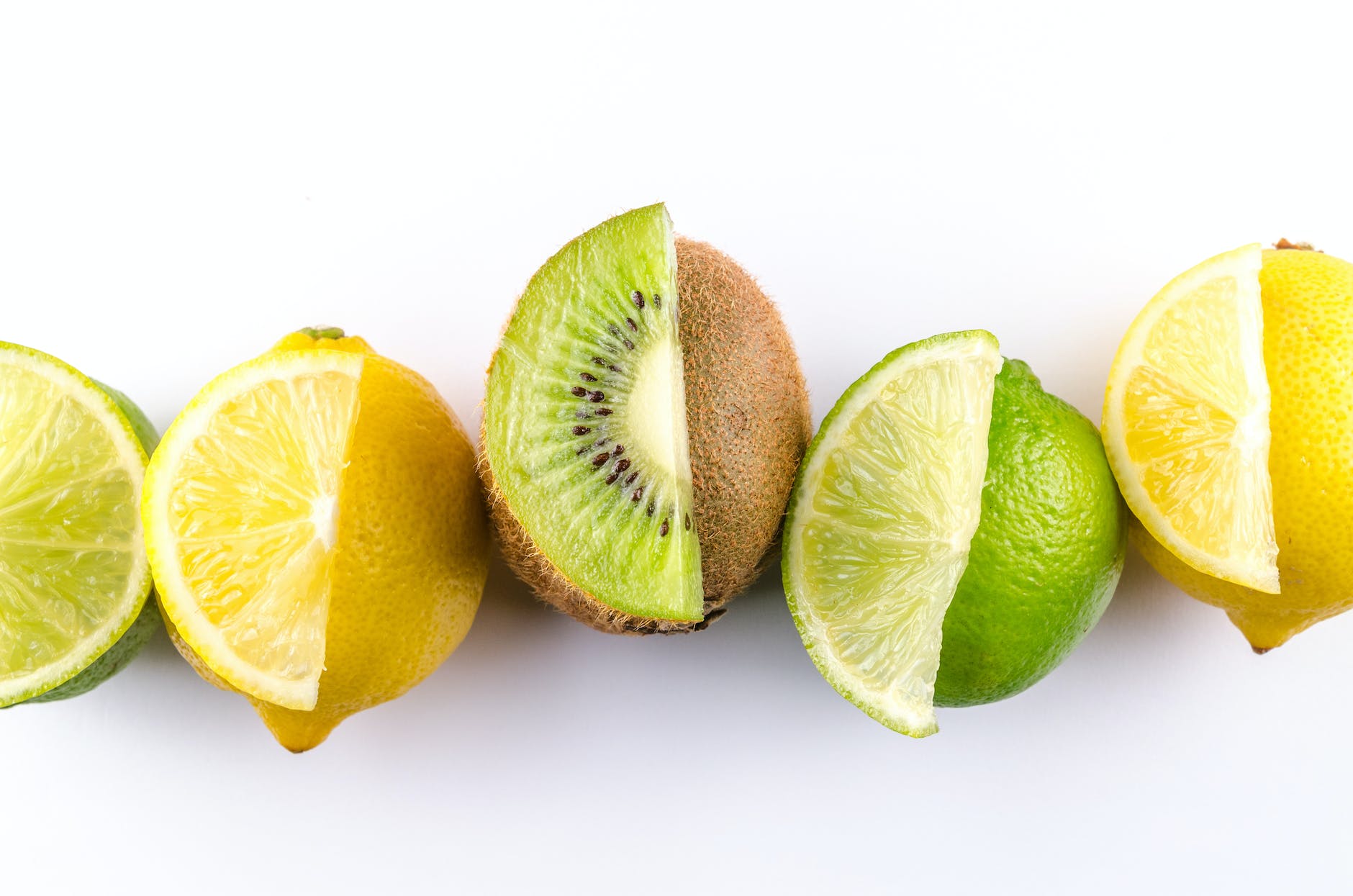
One of my favorite compounds found in food is quercetin. I really appreciate quercetin because of its amazing properties for helping people with allergies. I take a supplement with quercetin because it has an anti-allergic and anti-inflammatory effect on the body (Li et al., 2016). For many with histamine clearing issues, allergies, intolerances, inflammation, or gut imbalances, quercetin supplementation has been promising. Foods that contain the most quercetin include onions (Allium cepa L.), Asparagus (Asparagus officinalis L.), red leaf lettuce (Lactuca sativa L), blueberries, blackberries, and bilberries, grapes, sage, parsley, brassica vegetables such as Brussels sprouts and kale, olive oil, tea, citrus fruits, and apples. The list goes on… The quercetin is richest in the skin of fruits and vegetables. I love to add the peels of onions into stocks or broths, to get the most medicinal properties from of them!
Quercetin has gained popularity because of its potent natural antihistamine properties, reducing the release of histamine from mast cells and other allergy triggers. This anti-allergy effect has significant potential for treating and preventing conditions like asthma and bronchitis. Mast cells, acting as an immune gateway to the brain, are influenced by quercetin, connecting environmental factors and emotional stress.

While research is ongoing, here is an overview of the potential beneficial effects of quercetin:
1. Antioxidant Activity: Quercetin acts as an antioxidant, helping to neutralize free radicals and prevent oxidative stress in the body (which creates free radicals that have harmful effects). There are thousands of plant flavonoids with strong antioxidant properties used in treating inflammatory disorders. There are thousands of other plant flavonoids with strong antioxidant properties used in treating inflammatory disorders.
2. Anti-Inflammatory Properties:It has anti-inflammatory effects, potentially reducing inflammation and supporting overall health.
3. Anti-Allergic and Antihistamine Properties: Quercetin may inhibit the release of histamine, making it useful in alleviating allergy symptoms and providing relief for conditions like histamine intolerance.
4. Cardioprotective Effects: Studies suggest that quercetin may have cardiovascular benefits, including potential improvements in blood vessel function and reduction in blood pressure.
5. Immune System Support: Quercetin may modulate the immune system, potentially enhancing its function and response to infections. It has major antiviral and antibacterial properties!
6.Potential Anti-Cancer Properties: There is some research suggesting that quercetin may have anticancer properties, although more studies are needed to establish its efficacy.
7. Neuroprotective Effects: Quercetin may have neuroprotective properties, potentially offering benefits for brain health and reducing the risk of neurodegenerative diseases.
8.Metabolic Health: Some studies indicate that quercetin may play a role in improving insulin sensitivity and supporting metabolic health.
9. Synergistic Effects with Other Compounds: Quercetin can work synergistically with other compounds, such as curcumin (bioactive compound in turmeric), enhancing their effects. Vitamin C and quercetin also have shown to have beautiful synergistic effects
It’s important to note that while quercetin shows promise in various areas, more research is needed to fully understand its mechanisms and establish definitive conclusions regarding its effectiveness in specific health conditions. Additionally, individual responses to quercetin may vary, and it is advisable to consult with a healthcare professional before adding quercetin supplements to your routine, especially at higher doses.
Peeling or removing the skin from vegetables and fruits can reduce the polyphenol content. As a side note, Pesticides can be a big issue in conventional farming, so it’s best to get to know farmers, visit the local farmers market, or even grow your own produce. You can also follow EWG’s consumer guide to the “Dirty dozen” and “Clean Fifteen” to see which produce should always be purchased “organic”. According to the studies EWG did, Asparagus was one vegetable with the least amounts of pesticides. Apples and grapes were found to have the highest amount in conventionally grown produce. It’s always a good idea to wash your fruits and vegetables with a mixture of vinegar, salt, or baking soda and water. To do this, just fill a clean sink or a large bowl with cold water, then add the vinegar and salt, and stir. Fun fact: fermenting food can actually increase the antioxidant activity and decrease the presence of pesticides! This was exciting to learn about, since I had learned about how Vitamin C is increased in lacto.-fermentation. I’ll talk more about fermentation in another post..

.
Sometimes, supplementation is supportive. Would you like to improve your health and vitality through nutrition coaching? Email me at nourishwithstacie@gmail.com!
References;
Anand David, A. V., Arulmoli, R., & Parasuraman, S. (2016). Overviews of Biological Importance of Quercetin: A Bioactive Flavonoid. Pharmacognosy reviews, 10(20), 84–89. https://doi.org/10.4103/0973-7847.194044
Colunga Biancatelli, R. M. L., Berrill, M., Catravas, J. D., & Marik, P. E. (2020). Quercetin and Vitamin C: An Experimental, Synergistic Therapy for the Prevention and Treatment of SARS-CoV-2 Related Disease (COVID-19). Frontiers in immunology, 11, 1451. https://doi.org/10.3389/fimmu.2020.01451
Cione, E., La Torre, C., Cannataro, R., Caroleo, M. C., Plastina, P., & Gallelli, L. (2019). Quercetin, Epigallocatechin Gallate, Curcumin, and Resveratrol: From Dietary Sources to Human MicroRNA Modulation. Molecules (Basel, Switzerland), 25(1), 63. https://doi.org/10.3390/molecules25010063
Di Petrillo, A., Orrù, G., Fais, A., & Fantini, M. C. (2022). Quercetin and its derivates as antiviral potentials: A comprehensive review. Phytotherapy research : PTR, 36(1), 266–278. https://doi.org/10.1002/ptr.7309
Li, Y., Yao, J., Han, C., Yang, J., Chaudhry, M. T., Wang, S., Liu, H., & Yin, Y. (2016). Quercetin, Inflammation and Immunity. Nutrients, 8(3), 167. https://doi.org/10.3390/nu8030167
Disclaimer: The information provided here is for educational and informational purposes only and is not a substitute for professional medical advice. It is important to consult with a qualified healthcare professional before incorporating quercetin supplements into your routine, especially at higher doses. Individual responses to quercetin may vary, and it is important to consider potential interactions with existing medications or underlying health conditions. I am not responsible for any actions taken by the readers regarding their health based on this information.
 Nourish With Stacie
Leave a comment